Build an ADA Remediation Cost Guide Stakeholders Will Buy Into
Getting leadership to approve an accessibility budget can feel like pushing a boulder uphill. Stakeholders want numbers, context, and a clear picture of what happens when the organization does nothing. The basic process involves three steps: audit your physical facility to identify barriers, build a cost estimate for each remediation item, and present a prioritized action plan that connects spending to legal, financial, and community outcomes. Done right, your cost guide becomes a tool that decision-makers trust rather than question.
Physical accessibility matters. In the United States, over 61 million adults have a disability, accounting for roughly 26% of the adult population. That is more than a compliance statistic; it is your customer base walking through your door, or being turned away at the step. This guide helps you build an ADA remediation cost document that informs real decisions and earns real buy-in.
Key Takeaways
- Start with a professional facility assessment: A Certified Access Specialist (CASp) inspection helps businesses identify compliance issues and offers legal protection if completed before any ADA claims are filed. A typical CASp inspection costs between $2,500 and $6,000, which includes a detailed report outlining necessary modifications. Use the report as the data backbone for your cost guide.
- Proactive spending beats reactive spending every time: According to 2024 industry data, businesses that proactively plan their ADA compliance costs typically spend 35-40% less than organizations that address compliance reactively. Build that math into your stakeholder presentation.
- Costs vary widely by scope; anchor your estimates to real ranges: Minor ADA retrofits such as grab bars, signage, and hardware can cost $1,000-$5,000, while a multi-stall public restroom rebuild in a shared common area runs $80,000 to $240,000. Presenting a realistic range prevents sticker shock later.
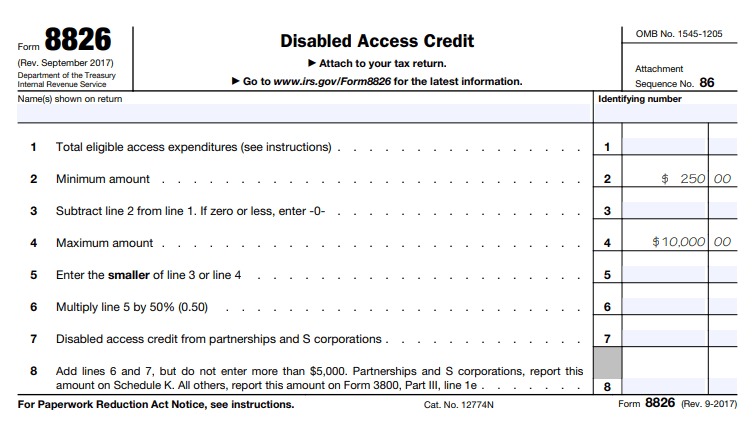
- Federal tax incentives reduce the net cost: The disability access credit is worth 50% of eligible access expenses, up to $10,250. You cannot claim a credit for the first $250 in expenses. The maximum tax credit you can claim is $5,000. Include this offset in every budget table.
- Non-compliance carries a compounding financial risk: Federal Title III suits don’t allow private monetary damages, but plaintiffs recover attorneys’ fees, and DOJ enforcement actions can include civil penalties up to $96,384 for a first violation and $192,768 for subsequent violations under current 2024 inflation adjustments.
Quick-Start Prioritization Framework
The U.S. Access Board’s ADA Standards for Accessible Design and Department of Justice guidance follow a consistent four-tier order for barrier removal. Use the table below to determine where your organization should focus first, then use the “Start here” guidance to match your situation.
Priority Tier | Category | Typical Remediation Scope | Estimated Cost Range |
|---|---|---|---|
1, Highest | Accessible entrance and parking | Ramp installation, restriping, signage | $3,000-$20,000 |
2 | Path of travel to goods/services | Door hardware, aisles, thresholds | $500-$8,000 |
3 | Accessible restrooms | Grab bars, fixtures, turning radius | $1,000-$240,000 |
4 | Remaining interior barriers | Signage, reach ranges, drinking fountains | $500-$25,000 |
Start here if you are:
- A small business with limited budget: Begin at Tier 1. The Small Business Administration advises business owners to prioritize ADA compliance tasks starting with exterior features such as parking lots and entrances, and then interior improvements such as aisles and bathrooms.
- Facing an upcoming renovation or alteration: Consistent with Department of Justice guidance, corrections generally follow four ascending priorities: accessible entrance, access to goods and services, accessible restroom, and finally any remaining barriers.
- A public entity or larger organization: Commission a full facility assessment, build a formal Transition Plan, and sequence repairs across multiple fiscal years.
Step 1: Conduct a Physical Facility Assessment
No credible cost guide starts with guesswork. The numbers in your document have to come from an actual inspection of your building.
What a Professional Assessment Covers
A CASp inspection is not a quick walkthrough. It involves measuring slopes, clearances, restrooms, parking layouts, entrances, and path-of-travel elements across an entire property. The inspector applies the 2010 ADA Standards for Accessible Design to each element and documents every deficiency with photos, measurements, and code citations.
Transition plans produced by accessibility specialists include an executive summary explaining the methodology used during field assessment, prioritization, and cost estimates to remediate deficiencies, along with phasing schedules for work completion planning and standard drawings for remediation methods. That level of documentation turns a wish list into a fundable capital plan.
Choosing the Right Assessment Type
A CASp inspection can vary widely in cost, depending on property size, complexity, the number of public-facing areas, and location. The inspection evaluates the property against both the ADA Standards for Accessible Design and California Building Code Chapter 11B simultaneously (where state law applies). For organizations outside California, a qualified ADA consultant or architect familiar with the U.S. Access Board standards can perform an equivalent evaluation.
Pro Tip: Before scheduling an inspection, gather your existing floor plans, permit history, and any prior accessibility reports. Inspectors who can reference as-built drawings spend less time measuring and more time identifying actionable deficiencies, which lowers your inspection cost.
Organizations that invest in a thorough initial assessment almost always discover barriers they did not know existed. That discovery phase is where your cost guide gets its credibility.
Step 2: Build Your Cost Estimate Line by Line
Once you have your assessment report, translate each finding into a line-item cost. Stakeholders respond to specificity. A vague estimate of "bathroom upgrades" does not move budgets. A line-item for “grab bar installation, main floor restroom, $600” does.
Exterior Barriers: Parking and Entrances
Parking and building entrances are the highest-priority items under ADA guidance, and they are also the first areas a plaintiff’s firm photographs before filing a complaint. The good news is that many exterior fixes are relatively affordable.
Businesses have a continuing ADA obligation to remove barriers to access in existing parking facilities when it is readily achievable. Because restriping is relatively inexpensive, it is readily achievable in most cases. Restriping a small parking lot to add compliant accessible spaces and access aisles typically runs $900-$25,000 depending on lot size and whether resurfacing is needed.
For entrance ramps, a commercial wheelchair ramp installation can range from $3,000 to $20,000 or more, depending on property size and design complexity. Commercial installations may also require permits, inspections, and compliance with ADA guidelines, which can increase the total cost. If your entrance has a small grade change, a modular aluminum ramp is typically the fastest and most cost-effective solution.
Interior Barriers: Restrooms and Path of Travel
Restrooms are the most scrutinized area in any facility audit. Restrooms are among the most scrutinized areas in ADA compliance and among the most commonly cited sources of violations in commercial buildings.
The cost range here is enormous, which is exactly why your cost guide needs to distinguish between hardware-only retrofits and full structural renovations:
- Grab bar sets: Grab bar installation is the most affordable and impactful change, costing as little as $200 to $600 for a set of three.
- Doorway widening: Widening a doorway to accommodate a wheelchair can cost between $300 and $2,500. This modification often requires structural changes, especially if the wall is load-bearing.
- Full restroom remodel: A full ADA-compliant commercial bathroom remodel can run $15,000-$50,000 or more for a single restroom. Minor ADA retrofits, including grab bars, signage, and hardware, can cost $1,000-$5,000.
Signage
ADA-compliant tactile and Braille signage is often overlooked in cost estimates. The baseline cost structure includes permanent room identification signs at $45-$125 each, directional signage at $75-$200 per sign, tactile exit signs at $85-$175 each, and specialized accessibility symbols at $25-$65 per sign. For a multi-floor commercial building, comprehensive signage implementation typically falls in the $8,000-$25,000 range.
Pro Tip: Group your line items into "quick wins" (under $2,500, no structural work) and "capital projects" (structural, permitting required). Presenting these two buckets separately allows stakeholders to approve quick wins immediately while the larger items go through a longer capital planning cycle.
Step 3: Apply the Readily Achievable Standard
Not every barrier has to be fixed at once, and understanding this legal concept helps you build a more realistic budget that stakeholders can actually approve.
What "Readily Achievable" Means in Practice
The ADA defines “readily achievable” barrier removal as work that is “easily accomplishable and able to be carried out without much difficulty or expense.” Because financial capacity changes over time, removal remains an ongoing obligation rather than a single event.
Prioritization typically weighs five factors: nature and cost of the work, overall financial resources, operational impact, business type, and technical feasibility. This standard gives organizations the flexibility to phase remediation over time, which makes multi-year budget plans both legally defensible and financially manageable.
Phasing Your Remediation Plan
I’ve found that a three-year phased plan is the format most boards and finance committees respond to positively. It shows long-term commitment while avoiding the appearance of an unmanageable one-time expense.
Readily achievable barrier removal may include providing an accessible route from a parking lot to the business’ entrance, installing an entrance ramp, widening a doorway, installing accessible door hardware, repositioning shelves, or moving tables, chairs, display racks, vending machines, or other furniture. Many of these actions cost only staff time.
As a best practice, include an estimated cost for each modification for budgeting and prioritization. This guidance, drawn from formal Transition Plan methodology used by government agencies, applies equally well to private facilities.
Step 4: Factor In Tax Incentives and Funding Offsets
One of the most effective ways to increase stakeholder buy-in is to show the net cost after available incentives, not just the gross price tag.
The Federal Disabled Access Credit
The federal tax credit for eligible small businesses covers part of ADA accessibility expenses via IRS Form 8826 and Internal Revenue Code Section 44. Its official name is the Disabled Access Credit, and you claim it on IRS Form 8826.
For purposes of the disabled tax credit, an eligible small business had gross receipts of $1 million or less in the previous tax year, or had no more than 30 full-time employees in the previous year. If your organization qualifies, the math is straightforward: if your business spends money on ADA-compliant modifications, the government will reduce your IRS tax liability by up to $5,000 per year. That means a $10,500 ramp project could net down to $5,500 after claiming the credit. Show that math in your stakeholder presentation.
The Section 190 Architectural Barrier Removal Deduction
The Disabled Access Credit is different from the Section 190 deduction, which is a separate tax break for barrier removal. Section 44 is a credit (a dollar-for-dollar reduction of tax), while Section 190 is a deduction (reduces taxable income), and they have different limits and mechanics. Organizations with higher total expenditures may benefit from stacking both; consult a tax professional to confirm eligibility and avoid double-counting the same expenses.
Pro Tip: Build a simple two-column table in your cost guide: "Gross Remediation Cost" and "Net Cost After Tax Incentives." Seeing the after-incentive number in writing often changes how stakeholders evaluate the ask.
Step 5: Make the Risk Side of the Equation Visible
A cost guide that only shows what remediation costs is only half the story. Stakeholders need to see the cost of non-compliance, and that picture is considerably less comfortable.
The Real Cost of Waiting
Post-lawsuit remediation costs more than proactive compliance because timelines are compressed. When a business is operating under a legal settlement, it loses control of timing, vendor selection, and scope. Work that might cost $8,000 in a planned environment can cost two or three times as much on an emergency basis.
Drive-by plaintiff suits routinely seek $10,000 to $50,000 in early settlement before any court filing. And that is before legal defense costs, which can run substantially higher. The Rimkus ADA Standards for Accessible Design Guide notes that ADA compliance protects organizations from costly litigation, improves customer satisfaction, and demonstrates social responsibility.
The Market Opportunity Argument
For stakeholders more motivated by revenue than risk, the disability consumer market offers a compelling business case. A recent study from Disability:IN and the American Institutes for Research makes a compelling case for industry and businesses to expand their customer base, highlighting the enormous growth and market trends presented by the $675 billion disability consumer market in the U.S. Physical accessibility is the entry point to serving that market in person.
Common Mistakes That Undermine Your Cost Guide
Presenting a Single Number Instead of a Range
Stakeholders who see a single number will anchor to it and question it. Presenting a range, supported by your facility assessment, communicates that you understand the variables and have done your homework.
Leaving Out Ongoing Maintenance Costs
Accessibility compliance is not a one-time project. Maintaining photographs, plans, pressure readings, and slope measurements for several years helps meet best practices and prevent claims. Ongoing maintenance prevents compliance drift. Include a modest annual maintenance line item in your cost guide to reflect this ongoing obligation.
Ignoring the Path-of-Travel Rule
When you renovate any area of a facility, the ADA requires you to make the path of travel to that area accessible. Costs associated with providing an accessible entrance and an accessible route to the altered area, for example, the cost of widening doorways or installing ramps, must be considered, along with costs associated with making restrooms accessible, such as installing grab bars, enlarging toilet stalls, insulating pipes, or installing accessible faucet controls. Failing to account for path-of-travel costs is one of the most common reasons renovation projects go over budget.
Frequently Asked Questions
What does a physical ADA facility audit typically cost?
A Certified Access Specialist (CASp) inspection cost will vary widely by facility type and size. A typical small business inspection costs between $2,500 and $6,000 and provides businesses with a detailed report of compliance requirements. For smaller facilities, costs can be lower, while larger facilities often cost more and may involve multiple days and/or inspectors. The inspection report is the essential input for any credible remediation cost guide.
How do I prioritize which barriers to fix first?
Consistent with Department of Justice guidance, corrections generally follow four ascending priorities: accessible entrance, access to goods and services, accessible restroom, and finally any remaining barriers. Start at the entrance; it has the highest visibility, the highest litigation exposure from exterior documentation, and often the lowest cost to fix.
What federal financial incentives are available to offset remediation costs?
Eligible businesses may take the Disabled Access Credit every year they incur access expenditures using Form 8826. This tax credit is worth 50 percent of each eligible dollar spent, rather than a one-to-one dollar value. The maximum annual credit is $5,000. Separate from the credit, the Section 190 deduction allows additional tax savings on barrier removal expenditures up to $15,000. Consult a qualified tax professional before filing.
Does the ADA apply to buildings constructed before 1990?
Yes. A persistent myth among property owners is that buildings constructed before the ADA was enacted in 1990 are exempt. They are not. The ADA requires removal of barriers to accessibility in existing buildings when the removal is readily achievable, meaning it can be accomplished without significant difficulty or expense.
How should I present ADA remediation costs to a skeptical board or finance committee?
Structure your presentation around three columns: the cost of proactive remediation, the potential cost of a complaint or lawsuit, and the net cost after tax incentives. A proactive ADA compliance audit is a fixed, finite, and predictable business investment. The cost of a reactive lawsuit is open-ended and exponentially higher. Boards that see this comparison side by side consistently find proactive budgets easier to approve. Tools like the facility management and compliance tracking features at www.bluedag.com can help organizations document findings, track remediation progress, and maintain the records that support both compliance and stakeholder reporting.
Disclaimer: This article is provided for general informational and educational purposes only and is not intended to constitute legal advice or a legal opinion. While reasonable efforts have been made to provide accurate and current information, laws, regulations, standards, guidance, and interpretations may change, and no representation or warranty is made regarding the accuracy, completeness, or applicability of the information provided. References to tools, resources, or compliance approaches are for informational purposes only and do not guarantee compliance with the Americans with Disabilities Act (ADA) or any other applicable law or regulation. Readers should consult qualified legal counsel or other appropriate professionals regarding their specific circumstances. BlueDAG assumes no liability for any errors or omissions or for actions taken or not taken in reliance on the information contained in this article.
Sources
- ADA Standards for Accessible Design, U.S. Access Board. Official federal accessibility standards for construction and alterations. https://www.access-board.gov/ada/
- ADA Standards for Accessible Design Guide 2026, Rimkus. Practical guide to ADA physical compliance priorities and enforcement context. https://rimkus.com/article/ada-standards-accessible-design-compliance-guide/
- ADA Compliance for Commercial Remodels (2026), Terrapin CG. Title III triggers, path-of-travel rules, and cost ranges. https://terrapincg.com/news/ada-compliance-commercial-remodel-2026
- How Much Does ADA Compliance Cost? MBCS. CASp inspection costs and compliance risk overview. https://adainspectionorangecounty.com/how-much-does-ada-compliance-cost/
- ADA Signage Costs: Investment Planning and Compliance ROI, ADAsigns. Proactive vs. reactive compliance cost comparison. https://www.adasigns.org/blogs/news/ada-signage-costs-commercial-budget
- ADA Compliance Brief: Restriping Parking Spaces, ADA.gov. Official DOJ guidance on parking accessibility obligations. https://www.ada.gov/resources/restriping-parking-spaces/
- Commercial Bathroom Remodel: ADA Costs and Requirements (2026), Revolution Florida. Cost ranges for restroom retrofits and full remodels. https://www.revolutionflorida.com/blog/commercial-bathroom-remodel-ada-cost
- Commercial Wheelchair Ramp Installation Cost, Mr. Handyman. Cost ranges for commercial ramp installation by material and scope. https://www.mrhandyman.com/blog/wheelchair-ramp-installation-cost/
- Disabled Access Credit (Form 8826), IRS.gov. Official IRS resource for the federal disability access tax credit. https://www.irs.gov/forms-pubs/about-form-8826
- ADA Tax Credit Guide, Ramp.com. Practical breakdown of IRS Form 8826 eligibility and calculation. https://ramp.com/blog/ada-tax-credit-a-little-known-tax-credit-for-small-businesses
- California CASp Inspection Costs, Building Principles. Factors affecting CASp inspection pricing. https://buildingprinciples.com/blog/california-casp-inspection-costs-what-impacts-accessibility-audit-price
- The Next Growth Market: Inside the $675 Billion Consumer Opportunity, Disability:IN and AIR. Research on the U.S. disability consumer market. https://www.disabilityin.org/articles-and-updates/disability-consumer-market-release
- ADA Lawsuit Cost Statistics, TestParty. Data on ADA lawsuit settlement and defense costs. https://testparty.ai/blog/ada-lawsuit-cost-statistics-settlement-defense-data
- What an ADA Compliance Audit Actually Uncovers, Plan Left. Analysis of proactive vs. reactive compliance costs. https://planleft.com/blog/what-an-ada-compliance-audit-actually-uncovers-and-why-waiting-costs-more/
- Access for Businesses, Minnesota Council on Disability. Plain-language explanation of readily achievable barrier removal. https://www.disability.state.mn.us/technical-assistance/access-for-businesses/
- ADA Guide for Small Businesses, ADA.gov. Official DOJ guidance on barrier removal priorities for small businesses. https://archive.ada.gov/smbusgd.pdf